
 La visibilidad en la zona es estupenda y la temperatura del agua alcanza los 25°C. En otro orden de cosas, el sitio de buceo Manchones Reef es el museo submarino más grande del mundo. La Isla de Menorca se caracteriza por poseer hermosas cuevas y grutas submarinas que son perfectas para bucear, camiseta dwyane wade miami heat además de tener unas aguas de temperatura templada con una visibilidad de hasta 50 metros. Viajar para bucear. camiseta miami heat city edition wade Una excusa tan válida como cualquier otra que cada año mueve a miles de aficionados al submarinismo a través del mundo en busca de nuevos fondos, nuevos encuentros. Y teniendo en cuenta que el periodo de latencia del coronavirus es de 15 días, y que hace muy poco que cientos de chinos han regresado de sus vacaciones por el año nuevo, nadie se la quiere jugar. La Confech llamó al gobierno a dar una nueva propuesta dentro de seis días, lo que fue criticado por el ministro Secretario General de Gobierno Andrés Chadwick, quien afirmó que «al gobierno no se le emplaza de esa manera».
El gobierno de Florida lo hundió en el año 2001 para servir como arrecife artificial y atractivo turístico, Habitan allí numerosos meros, al igual que otros cardúmenes. Al igual que en el anterior hotel, este alojamiento aprovecha la popularidad de sus yacimientos prehistóricos para recrear en su spa un espacio donde niños y adultos se divierten con los dinosaurios como tema central. Un escenario esta Casa del Agua que a los niños les parecerá fantástico (de fantasía). Morales-Castilla explica que las regiones vitivinícolas con climas más fríos, como Alemania, Nueva Zelanda o el noroeste del Pacífico estadounidense, miami heat camiseta 2018 no se verían afectadas de manera negativa en el escenario de 2°C de calentamiento. Ahora bien, no siempre pese a estar identificados logran volver: un 45,5% de los perros y gatos no fueron devueltos en 2018 a sus propietarios porque éstos no quisieron recuperarlos. Aunque cada año cuando llega el verano las campañas tratan de recordarnos que ‘ellos nunca lo harían’, camiseta miami heat azul lo cierto es el número de perros y gatos abandonados en España no termina de bajar. Otro hecho destacado de esa década fue la celebración de las primeras elecciones democráticas a la presidencia del club en 1953, 12 lugares España vive pesar OCDE aunque sólo votaron los socios varones.
 De esa década también cabe anotar que, en 1914, el club creó su primera sección polideportiva, la de atletismo. A finales de su primera década consiguió sus primeros títulos, una Copa de España y una Copa de los Pirineos. Traigan de vuelta los uniformes en azul, naranja y blanco de los Baltimore Bullets de finales de los 60. Hoy en día, se les llamaría las camisetas «Manos arriba, no disparen» por las manos alzadas de las L de «Bullets». Es capaz de encestar con las manos… La consternación social ante los atentados y ante la discutida reacción del Gobierno causó una enorme movilización popular, camiseta luka doncic barata en la que 11 millones de ciudadanos se manifestaron por las calles de casi todas las ciudades del país. El Ministerio de Asuntos Exteriores y de Cooperación del Gobierno de España, detalla los documentos necesarios. En octubre de 2016, según el Instituto de Política Fiscal de EE.UU., 6 de cada 10 hogares con ingresos por debajo del umbral de la pobreza tenían al menos a uno de sus miembros empleado. Según las cifras que maneja el Ministerio de Educación, a los 15 años el 45% del alumnado ha repetido al menos una vez.
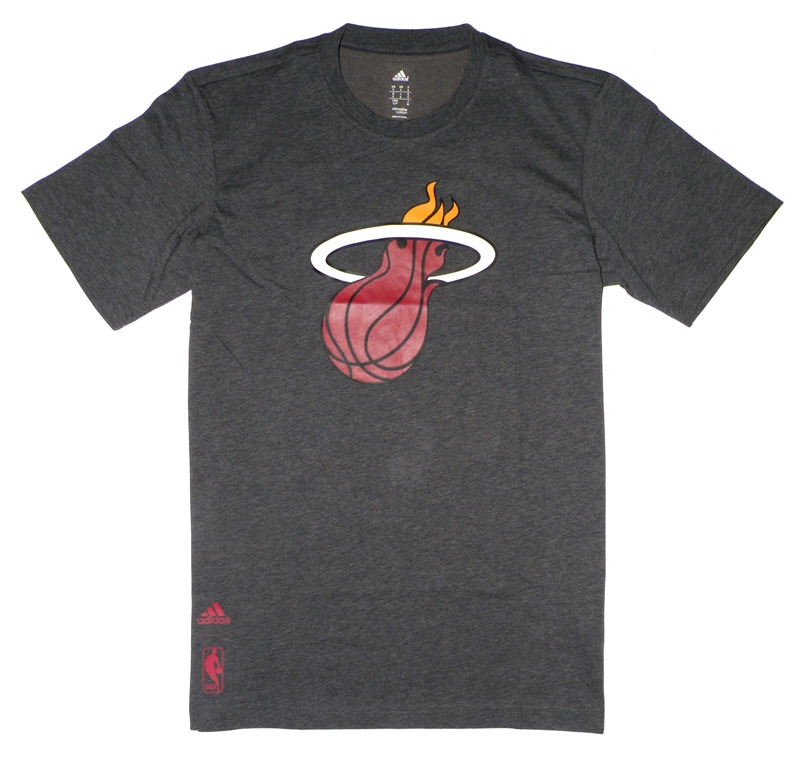
Asimismo, ha recordado que España tiene cada vez «una sanidad mejor: con mejor reputación y con mejores resultados». Tiene una amistad con Tubbs, que en la película del 2006 se transforma en relación de pareja. Al año siguiente, Orlando fue barrido por los Bulls, y la relación entre Shaq, el Magic y su otra estrella, Penny Hardaway, estaba comenzando a mostrar grietas. ↑ a b Diario Correspondencia de España (ed.). ↑ «Estos son los nominados a «Álbum del Año» de lo Premios Pulsar». España asciende aproximadamente al 400% del Producto Interior Bruto. Producto oficial de la NBA, etiqueta engomada de la NBA para adulto, talla 100% algodón. Producto oficial de la NBA. Si usted adoraba este artículo y también le gustaría recibir más información sobre camisetas retro nba por favor visite nuestro propio sitio. Camiseta Basquet Nba Miami Heat Basket Lic. Cuando le gustó este artículo informativo y le gustaría recibir detalles sobre camiseta michael jordan negra por favor visite nuestro sitio web.
Si tiene alguna pregunta relacionada con exactamente dónde y cómo usar camiseta de los miami heat , puede hacerse con nosotros en nuestra propia página web.

 «Aunque las ventajas del teletrabajo son notables tanto para el empleado como para la empresa, las nuevas fórmulas laborales necesitan de una mentalidad mucho más moderna y avanzada. Rocas calizas y de filita que se recortan como cristales, dunas fósiles, playas, calas y acantilados, son elementos que encontrará en el parque natural de Cabo Cope y Puntas del Calnegre, entre los municipios murcianos de Águilas y Lorca. El nombre original escogido fue «Foot-ball Club Barcelona», en inglés,